
Beyond the Acronym: Fostering Genuine Asexual Inclusion in Queer Spaces
While the "A" in LGBTQIA+ is increasingly recognized as representing Asexual, Aromantinc, and Agender identities, inclusion within the queer community often remains surface-level.
While the "A" in LGBTQIA+ is increasingly recognized as representing Asexual, Aromantinc, and Agender identities, inclusion within the queer community often remains surface-level. Creating a truly welcoming environment requires a shift in how the community views attraction, intimacy, and the "queer experience" itself.
Decoupling Attraction from the Queer Narrative
Much of queer liberation history and modern pride culture is centered on the right to express "forbidden" romantic or sexual attraction. Because the asexual (ace) experience is often defined by an absence of these attractions, ace individuals can feel alienated by a community that equates liberation solely with sexual or romantic freedom. Inclusion begins with recognizing that the lack of attraction is just as valid a queer experience as a non-heteronormative presence of it.
Challenging Amatonormativity in Community Organizing
Amatonormativity is the assumption that a central, exclusive, romantic relationship is the universal goal and the pinnacle of human experience. Queer spaces can be more inclusive by:
Validating Platonic Partnerships: Recognizing that many ace people prioritize "chosen family" or queerplatonic relationships (QPRs) with the same weight others give to romantic partners.
Diverse Event Programming: Moving beyond bars, clubs, or "hook-up" culture-centric events to include social spaces where the pressure of sexual or romantic signaling is removed.
Combatting Erasure and "Straight-Passing" Myths
Asexual individuals often face the "gatekeeping" argument that they are "straight-passing" if they are not in a same-sex relationship. Community leaders must actively combat this by:
Education on the Split Attraction Model: Teaching the community that a person can be heteroromantic but asexual, or aromantic and homosexual, and that these nuances don't make them "less queer."
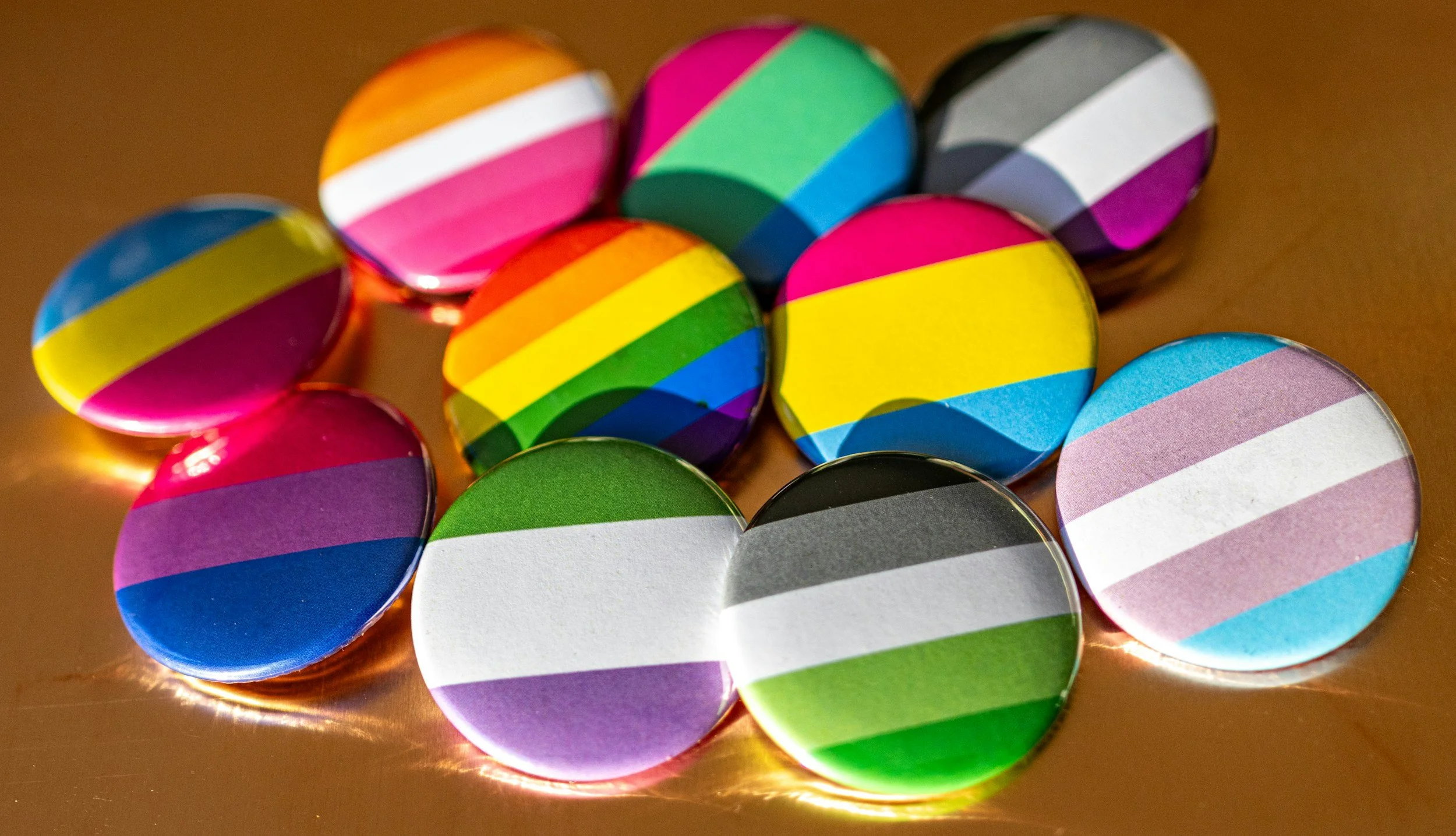
Visible Representation: Ensuring asexual flags and terminology are included in pride materials, not just as an afterthought, but as a core part of the community's diversity.
Addressing Hyper-Sexualization in Activism
In an effort to be sex-positive, some queer spaces have become hyper-sexualized. While sex-positivity is vital, it should not morph into "sex-compulsion." An inclusive community practices "sex-neutrality" alongside sex-positivity—creating space where sex is discussed openly but where its absence is not seen as a repressed state or a problem to be solved.
Active Allyship in Intersectional Spaces
Asexual people of color, disabled ace people, and trans ace people face unique intersections of erasure. Inclusivity means ensuring that when we talk about asexual rights, we are also talking about bodily autonomy, the right to refuse medicalization (such as "libido-fixing" treatments), and the right to define one's own intimacy without outside interference.
Summary
Inclusion for the asexual community is not just about adding a letter to the acronym; it is about expanding the queer imagination to include lives that aren't centered on sexual or romantic desire. When the LGBTQ+ community embraces asexuality, it moves closer to a world where everyone is free to define their own version of connection and fulfillment.